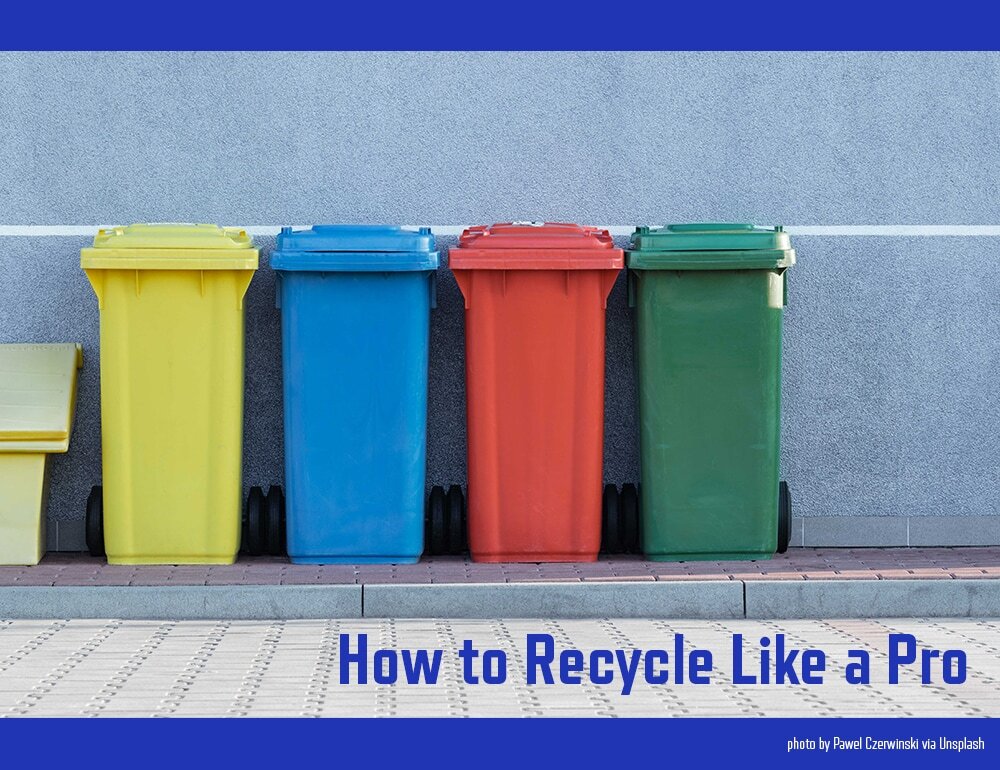
Backyard Foraging: Easy, Green and Fun!
Learn how to forage for food in your own backyard with this crash course on what to eat, how to gather it, and how to make it a fun family activity!
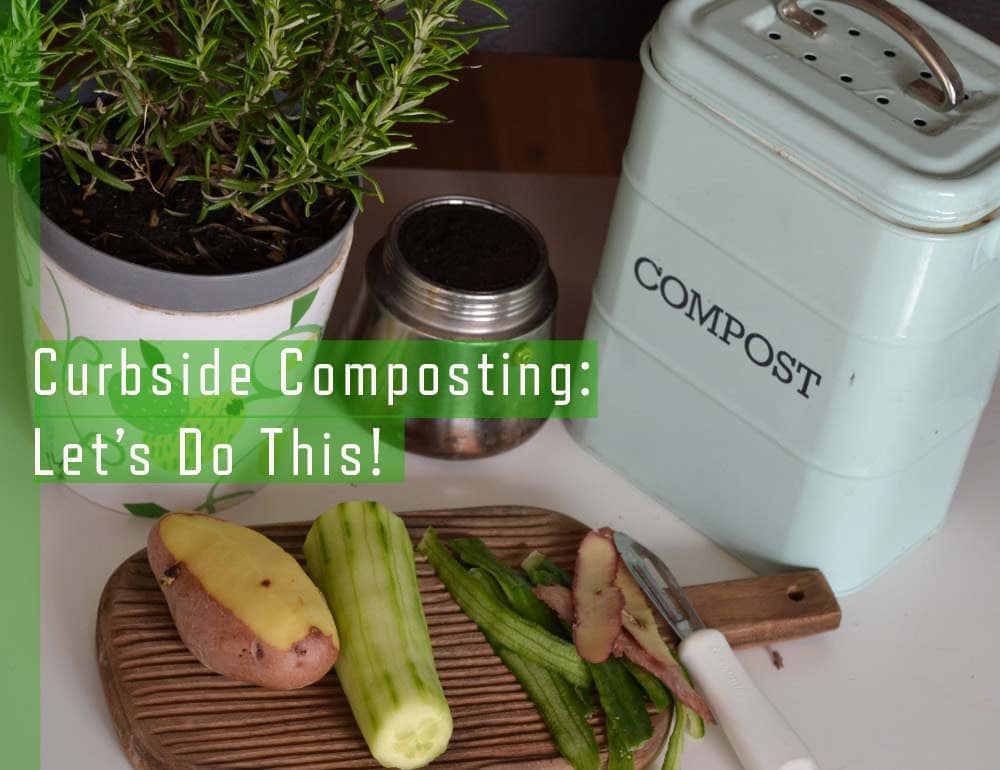
If you’re not already composting your food scraps and other organics with your city, now’s a great time to start. Composting is easy, and a great way to reduce your landfill footprint.
According to the Hennepin County organics recycling program, “About one-third of our trash is organic materials, including food, food-soiled paper, and certified compostable products.” That’s a LOT that could be composted instead of taken to the dump. When I got serious about home composting, I went from a large, standard-size trash bin to a small, 3-gallon bin. Between composting and recycling everything I can, the amount of actual trash I toss has shrunk dramatically. And when you use a smaller trash bin, the city may charge you less for your garbage service.
Have we convinced you to give curbside composting a try? We hope so! Below are some pointers to help you get started.
In Minneapolis, if you already pay for garbage service, you can get a free green organics bin to leave at the curb every week. Every city does their composting service differently–some use drop-off sites instead of curbside pickup. If you live outside of Minneapolis, check with your city to learn how their organic recycling program works.
Hennepin County organic recycling by city
Ramsey County food scrap drop-off sites
Composting options in greater MN
What’s okay to put in the bin varies from city to city, but here’s a good base to work from:
See the full run-down of what you can and can’t compost in this handy PDF from Hennepin County.
Most cities require you to bag your compost scraps before putting them in your curbside bin. You’ve got two great (and green!) options: paper bags or compostable trash bags.
Paper grocery and takeout bags are great for this. But they’re not liquid safe, so they’re best for dry stuff like tissues and corn husks. For both wet and dry items, use compostable trash bags. We sell 3-gallon compostable bags and 13-gallon compostable bags that don’t tear! Whatever kind of bags you choose, make sure they’re compostable, not merely “biodegradable.” Biodegradable plastic won’t break down properly at the composting facility–it requires a different process to dissolve.
This is my number-one recommendation for folks starting to save organics for curbside composting. Maybe I’m a little more finicky than the average bear, but I don’t like countertop compost bins. I won’t keep rotting food on my countertop. Instead, I freeze the scraps.
I keep a heavy-duty zippered plastic bag in my freezer, and add scraps until it’s full. You can also line a plastic tub with a small compostable bag, and keep that in the freezer. Freezing does nothing to harm the eventual composting process. And you get to skip the “ick” factor of composting—no putrid compost juice for you! When it’s collection day, simply dump the frozen block into a compostable bag and take that sucker out to the curb.
Now go forth and help save our planet, one food scrap at a time!
Subscribe by filling out the form below.
Learn how to forage for food in your own backyard with this crash course on what to eat, how to gather it, and how to make it a fun family activity!
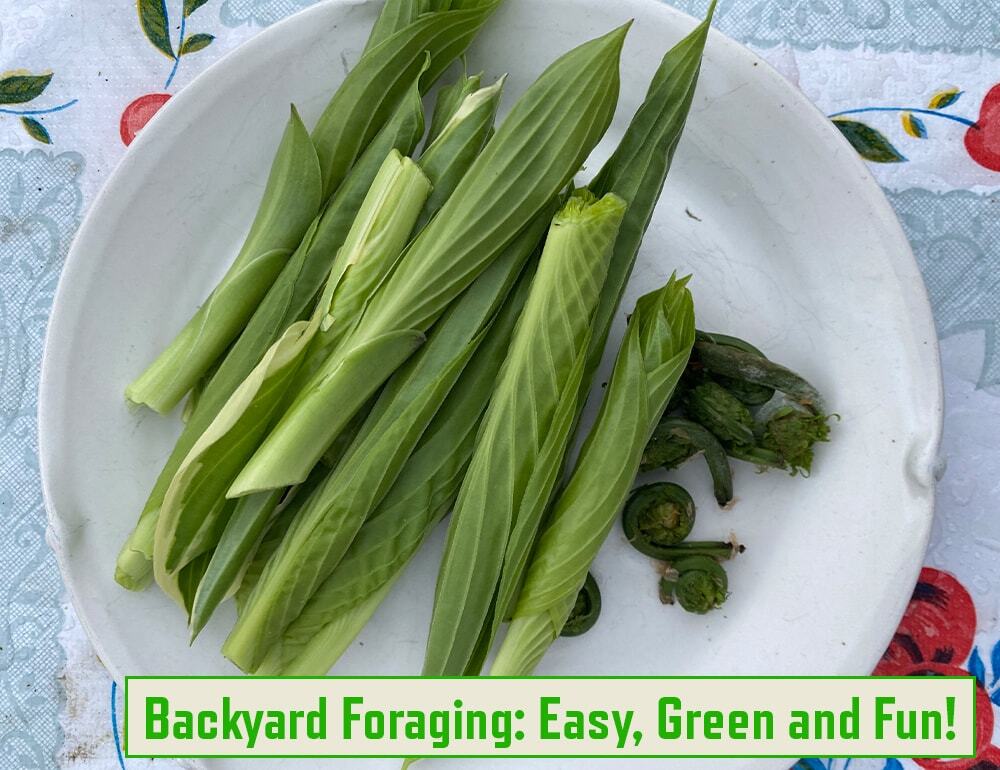
Looking to step up your recycling game? Use these three tips to recycle more items & make sure they make it to the recycling plant... Like a pro, of...
Learn how resilience and community support were key to survival during COVID-19