The History of Domestic Workers and Janitors
Learn about the often unseen and untold history of domestic workers and janitors throughout American history.
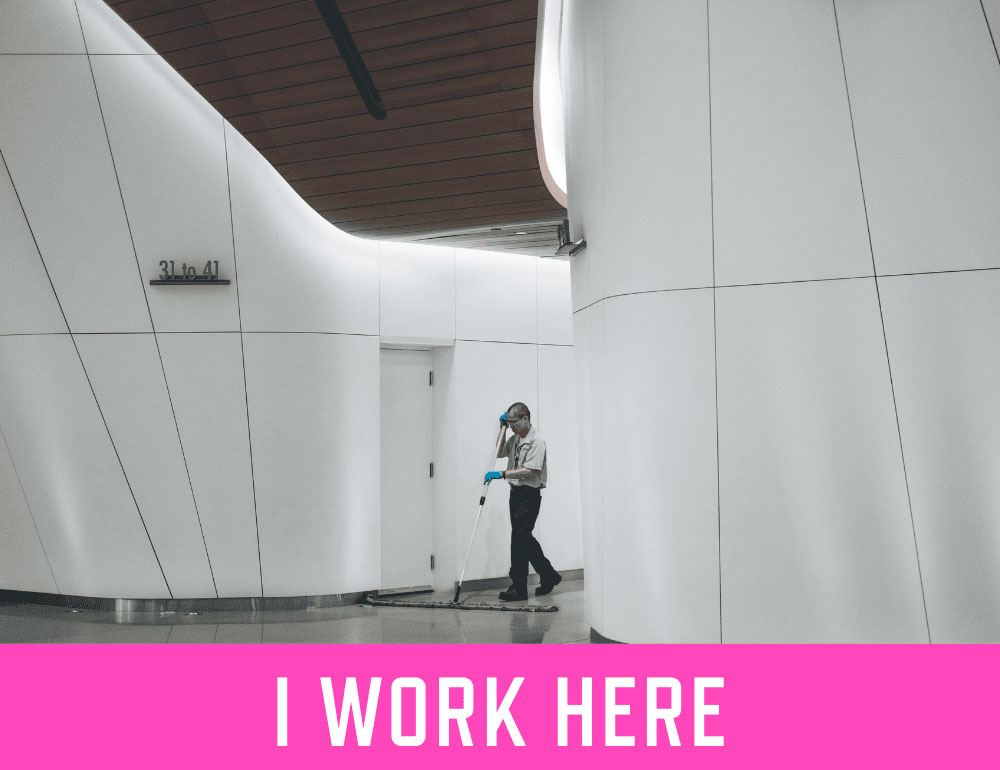
Imagine a classic organizational pyramid. At the top is the CEO. Who’s at the bottom? If you’re like a lot of folks, you put entry-level positions at the base. Roles like cashier, receptionist, waiter and dishwasher. But in truth, those aren’t the positions at the very base of the pyramid. That lowest level belongs to the individuals who clean up after everyone else: domestic workers and janitors.
If you forgot to include cleaning people in your imagined pyramid, you’re not alone. At training events for new Two Bettys cleaners, we always ask the question, Who’s at the bottom of the typical work pyramid? More often than not, people forget to include professional cleaners. And this is in a room full of folks who are about to become professional cleaners!
Domestic workers and janitors are often invisible. But invisible doesn’t mean unimportant. They’re an essential part of the labor system, making all other forms of work possible. When we say “domestic workers,” we mean housecleaners as well as nannies/babysitters, health aides, and people who do lawn care. When we say “janitors,” we’re talking about people who clean places like stores, other businesses, schools and civic buildings.
In this blog series on domestic and janitorial labor, we will:
What’s so terrible about a cleaning person being invisible?
A lot.
When someone is invisible, they’re more vulnerable to abuse. Domestic workers and janitors are often victims of wage theft, and their other legal rights are easily ignored. Women cleaning in homes and after-hours offices risk sexual harassment and violence. Cleaners may be asked to use toxic chemicals that are harmful to their health, and feel powerless to refuse.
The cleaning workforce is not crowded with society’s most visible people–white males. This workforce is made up of mostly women, people of color, immigrants and LGBTQIA+ folks. These groups already face low visibility, which is compounded by working as cleaners.
When the COVID-19 pandemic hit the U.S. in March of 2020, many independent, hourly cleaners were out of work overnight. Those that still had work were often asked to use toxic chemicals to disinfect spaces where COVID-positive people had been. They faced a double risk: exposure to COVID and harmful chemicals. Without the benefits and protections that come with being an employee, these workers were left high and dry.
Two Bettys is a social enterprise. This means that in addition to making a profit, we want to benefit our staff, the community and the environment. So what does Two Bettys do to make its cleaners more visible, and thereby protected from all forms of abuse?
Another way we can support domestic and commercial cleaners is by understanding the history of their work. In part two of this blog series, we’ll chat with Ryan Murphy, Professor of History at Earlham College. He’s a scholar of labor rights, and has trained Two Bettys staff on the history of domestic and janitorial work.
Further reading: New York Times article about housecleaners in the Covid era
Subscribe by filling out the form below.
Learn about the often unseen and untold history of domestic workers and janitors throughout American history.
Learn about fair wages, ethical treatment, and ensuring a safe, respectful work environment for all domestic employees.
Learn about fair treatment, rights, and protections for domestic workers, alongside our ethical cleaning practices.