Celebrating International Cleaning Week: People & Planet
Two Bettys Green Cleaning is celebrating International Cleaning Week! Learn how we prioritize our employees with living wages and benefits while...
2 min read
Anna Tsantir
:
Published
Updated
We all have our go-to cleaning products. You know the ones. The spaghetti-sauce-on-the-rug, ring-in-the-toilet, mildew-in-the-shower-grout products. But when was the last time you looked carefully at the ingredient label? Do you know what chemicals are in your cleaning products and what risks they pose to your health, your hormones, the air quality in your home, and even the environment? Let’s look at four of the most toxic ingredients commonly found in household cleaners and explore some safe and effective alternatives!
Phthalates are added to synthetic fragrances to help their scents last longer.
Commonly found in air fresheners, dish soap, laundry detergent, and all-purpose cleaners, phthalates are easily hidden in household products under the general term fragrance. This umbrella term protects proprietary scents from being replicated by competitors, but it also keeps consumers from recognizing this toxic chemical in their everyday products.
Consumers are exposed to phthalates through inhalation and contact with the skin. Exposure to phthalates can cause a variety of issues not limited to asthma, migraines, allergies, learning and behavior issues in children, and even cancer. Phthalates can also disrupt the endocrine system, causing hormonal imbalances.
Triclosan is added to cleaning products because of its antibacterial and antimicrobial effects.
It’s commonly found in window cleaners, multi-purpose cleaners, liquid dishwashing detergents, and antibacterial hand soaps and hand sanitizers—even mouthwash and toothpaste! Triclosan is widely recognized for stopping or inhibiting bacteria growth.
Consumers are exposed to triclosan primarily through contact with the skin. Exposure to triclosan can cause the production of antibiotic-resistant bacteria. It can also cause skin and throat irritation and interfere with the body’s ability to metabolize thyroid hormones.
Triclosan has also been detected in rivers and streams, where it harms aquatic life and poses a toxic threat to area wildlife.
2-butoxyethanol is added to cleaning products to assist with cutting dirt, degreasing, and removing stains. It gives these cleaners their characteristic “sweet” smell.
It’s generally found in window cleaners, kitchen degreasers, and multi-purpose cleaners.
Consumers are exposed to 2-butoxyethanol either through inhalation or contact with the skin. In addition to a sore throat, asthma, and allergies, exposure to 2-butoxyethanol can result in pulmonary edema, severe liver and kidney damage, neurological damage, and anemia.
2-butoxyethanol has also been detected in rivers and streams from contaminated industrial sites and leaching from landfills.
Chlorine’s primary function is killing bacteria and removing stains.
It’s found in scouring powders, toilet bowl cleaners, mildew removers, laundry whiteners, and even household tap water.
Consumer contact with chlorine occurs through inhalation and through the skin. It’s highly irritating to the eyes, skin, and lungs and disrupts thyroid hormones.
Chlorine is frequently detected in rivers and streams and doesn’t break down, harming plants, animals, and aquatic life.
If you’re overwhelmed at the thought of trying to decipher the toxic chemicals in your household cleaning products, we get it. Reading those ingredient labels can feel like decoding a chemistry textbook! Fortunately, at Two Bettys, we’ve done all the research for you. All our cleaning products are 100% safe and effective for you, your kids, and your pets. Our cleaners use only green, non-toxic alternatives to make your space shine. Head over to our website for an instant quote!
Subscribe by filling out the form below.
Two Bettys Green Cleaning is celebrating International Cleaning Week! Learn how we prioritize our employees with living wages and benefits while...
How Two Bettys Green Cleaning got through the worst of 2020 with the help of our triple bottom line: people, planet, and profit.
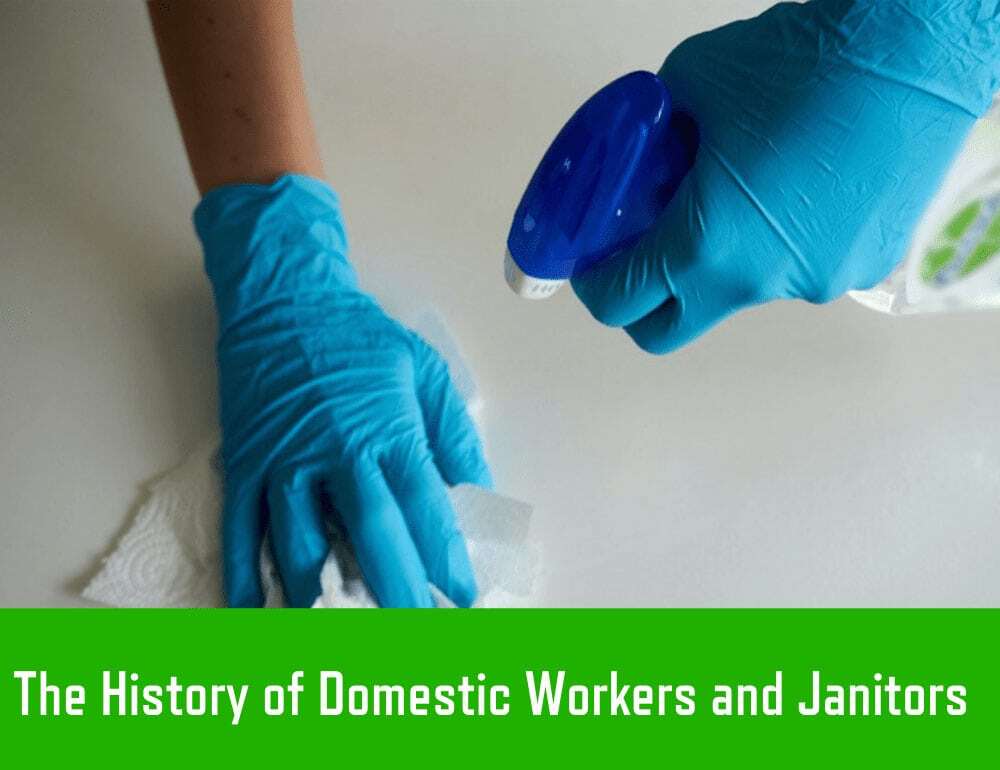
Learn about the often unseen and untold history of domestic workers and janitors throughout American history.